How to Start a Business in India in 2026: From Idea to First Customer
08, Oct 2026
18
Starting a business in India involves more than choosing a name and printing visiting cards. You need a useful offer, evidence that buyers want it, the right operating setup and a way to collect payments while controlling costs. The sequence matters: spending heavily before testing demand can leave you with equipment or stock that customers do not need.
This 2026 guide is designed for first-time entrepreneurs across India. It covers a practical path from an idea to the first customer, while recognizing that legal and tax requirements vary by activity, business structure and location. Treat the steps as a planning framework. Confirm the requirements relevant to your own venture with the appropriate authority or qualified professional before operations begin.
Step 1: Define one customer and one problem
Replace a broad idea such as “I want to sell food” with a specific offer such as “weekday lunch subscriptions for office workers within a manageable delivery area.” State who buys, why they buy and what they receive. This makes it easier to set a price, estimate delivery needs and explain the service without confusing potential customers.
Interview people in that audience. Ask about their current solution, actual spending, buying frequency and frustrations. Avoid questions that only invite compliments. Someone saying your idea sounds good is different from someone paying for a trial. Write down objections because these often reveal a more useful offer than the original plan.
Step 2: Run a small, lawful demand test
Create a sample, demonstration or limited pilot appropriate to the business. Where permissions are required before selling, complete them first. Define the pilot's duration, quantity and service terms. For a design service, this might be a fixed set of promotional assets; for a product, it might be a small batch with clear specifications and delivery dates.
Track how many suitable prospects you contacted, how many purchased and what it cost to fulfil each order. Record complaints and refunds alongside positive feedback. Set a decision rule in advance: continue only if customers value the offer and you can deliver it consistently. A test should produce evidence rather than merely keep you busy.
Step 3: Prepare a realistic financial plan
Divide spending into setup expenses, monthly fixed costs and costs that rise with each order. Include packaging, transport, payment charges, wastage, rework and your working time. Maintain working capital for the period between buying inputs and receiving customer payments. Keep household emergency money separate from the amount you intend to risk.
Calculate contribution per order and a basic break-even volume. If a hypothetical service contributes ₹500 after direct costs and monthly fixed costs are ₹10,000, twenty orders cover those fixed costs before tax and owner pay. These numbers illustrate the method, not typical earnings. Stress-test the plan with fewer orders, late payments and higher input costs.
Step 4: Choose a suitable business structure
A sole proprietorship may suit an individual testing a straightforward business, but it does not create the same legal separation as a company. Partnerships, limited liability partnerships and companies have different ownership, liability, filing and administration implications. Choose based on co-founders, risk, financing needs and future plans rather than assuming the most formal structure is always best.
Discuss the options with a qualified adviser if there are partners, substantial contracts or significant liability. Put founder roles, contributions, profit sharing and exit arrangements in writing. Company incorporation uses the Ministry of Corporate Affairs' processes, including SPICe+ and linked filings where applicable. Incorporation, tax registration and sector permissions are separate questions.
Step 5: Identify approvals and registrations
Make a checklist for your exact activity and location. Possible requirements include municipal permissions, shops and establishment compliance, food-safety registration or licensing, professional approvals and employment-related obligations. Requirements for a home bakery differ from those for software services or a manufacturing unit. Do not copy another business's registration list without checking its relevance.
The National Single Window System helps identify approvals through its Know Your Approvals tool. Its output is guidance, so check local and sector obligations as well. Use the official Udyam portal for eligible MSME registration; the process is free and paperless. Udyam does not replace every other required approval.
Step 6: Set up banking, records and payment terms
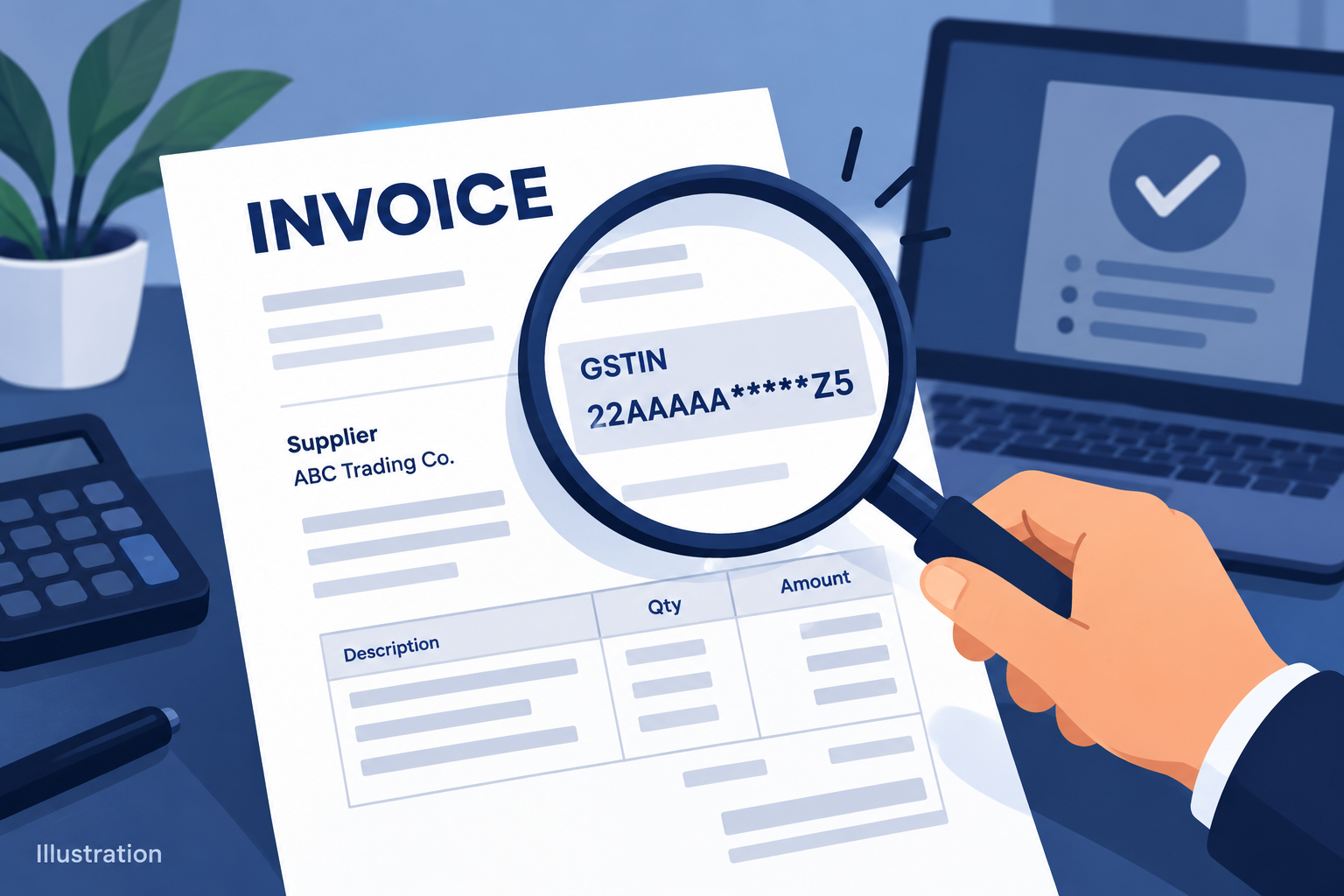
Arrange a suitable business banking setup with the documents your bank requires. Keep personal and business transactions distinguishable. Use numbered invoices or receipts, retain supplier bills and reconcile collections regularly. Ask a tax professional about GST applicability and other obligations based on your activity, turnover and supply arrangements; there is no single rule suitable for every venture.
Write clear quotation terms: deliverables, price, taxes where applicable, advance, delivery schedule and cancellation policy. Confirm orders before buying customized materials. Verify that payments have actually reached the account rather than trusting screenshots. Maintain a simple weekly view of cash available, money owed to you and payments due to others.
Step 7: Build dependable operations
Choose suppliers using samples, delivery reliability and written terms as well as price. Create a checklist for each job so quality does not depend on memory. Decide who handles customer enquiries, fulfilment, complaints and records. Keep a backup plan for a missing supplier or staff member, especially when customers depend on fixed appointment times.
Store customer information securely and collect only what the service requires. Clarify warranty or after-service commitments before making promises. A small business gains trust through accurate expectations and reliable delivery. If capacity is limited, cap orders rather than accepting more work than you can complete properly.
Step 8: Reach your first customers
Begin with direct, relevant outreach and referrals rather than broad advertising. Explain the customer problem you solve, show a sample and provide a clear next step. Build a simple online presence with accurate services, contact information and genuine photos. Eligible local businesses can create a Google Business Profile, while online-only ventures should use suitable alternatives.
Our website checklist explains useful enquiry pages, and our lead follow-up system helps organize interested buyers. Track enquiries through to paid orders. Followers and views are useful context, but they do not establish that the business is financially sustainable.
A first-month launch checklist
Use week one for customer interviews and competitor research. Use week two to refine the offer, cost it and confirm approvals. During week three, organize records, suppliers and a small pilot. Use week four to deliver, collect feedback and review cash flow. Adjust this schedule to your permissions and production lead times; it is a planning example, not a guaranteed launch timeline.
Frequently asked questions
Do I need a private limited company to start?
Not every business needs that structure. The appropriate choice depends on ownership, liability and future plans. Compare alternatives and their compliance costs before deciding.
Is Udyam registration a business licence?
Udyam is MSME registration. It does not automatically replace tax registrations, municipal permissions or activity-specific licences. Check each requirement separately.
How much money is needed?
There is no universal minimum. Estimate the smallest compliant pilot, working capital and a buffer. Obtain actual quotations rather than relying on generic online investment figures.
Should marketing begin before operations are ready?
You can research demand and explain a forthcoming offer, but communicate availability honestly. Accept orders only when you can meet the agreed service, payment and delivery terms.
Sources: NSWS approvals guidance, official Udyam information and MCA incorporation FAQs. Reviewed 8 October 2026.
Tags: Start a Business, India Entrepreneurship, Business Registration, MSME, Business Planning, Startup Guide, Small Business.
Featured image: representative AI-generated illustration.
share Share now

 All Services
 Classifieds Ads
 Service Experts
 Jobs
 Explore Travel
 News & Magazines
 Products
 Blogs
 Community












 Support