Small Business Ideas in India 2026: 10 Options and a 30-Day Validation Plan
08, Oct 2026
24
Searching for small business ideas in India in 2026 is easy. Choosing an idea that customers will actually pay for takes more work. A profitable shop in one neighbourhood may struggle in another because rent, competition, buying habits and delivery costs differ. The sensible starting point is a specific customer problem, a service you can deliver well and a small test that limits the money at risk.
This guide offers ten practical options for an India-wide audience, from metropolitan neighbourhoods to district towns. These are ideas to evaluate, not a ranking of guaranteed winners. Instead of promising a monthly income, the focus is on finding customers, understanding costs and building repeat business. You can adapt the examples to your language, skills, available hours and local market.
How to choose a small business idea
Write down three things before making a shortlist: what you can do reliably, who you can reach directly and how much you can afford to lose during a test. A business that uses existing skills and equipment usually lets you learn faster than one requiring expensive machinery. Also consider whether customers need the service repeatedly or only once.
Score each idea on demand, delivery difficulty, upfront spending and repeat purchase potential. Speak to potential buyers rather than relying entirely on friends who want to encourage you. Ask what they currently buy, what disappoints them and what would make them switch. A paid trial is stronger evidence than a social-media like.
1. Home meal and tiffin subscriptions
Office workers, students and elderly households may value dependable meals. Start with one menu, one delivery area and a limited number of subscriptions. Calculate ingredients, fuel, packaging, delivery and wastage for every meal. Food operations require the applicable food-safety registration or licence; use current official requirements before selling. Reliability and hygiene matter more than a large menu.
2. Local digital marketing services
Independent shops often need better photos, accurate online information and a simple enquiry process. Offer a clearly defined package such as eight product photos and four social posts, rather than promising unlimited growth. Build samples with permission and explain what the customer receives. Keep business accounts owned by the client and obtain authorization before managing profiles.
3. Tutoring and practical skills classes
Subject tutoring, spoken-language practice and basic computer lessons can start with a small group. Choose a subject you understand well and a learner level you can support. Offer a short assessment and a clear learning plan. Avoid guarantees about examination results. Schedule sessions consistently, collect parent consent where appropriate and protect learners' personal information.
4. Repair and maintenance coordination
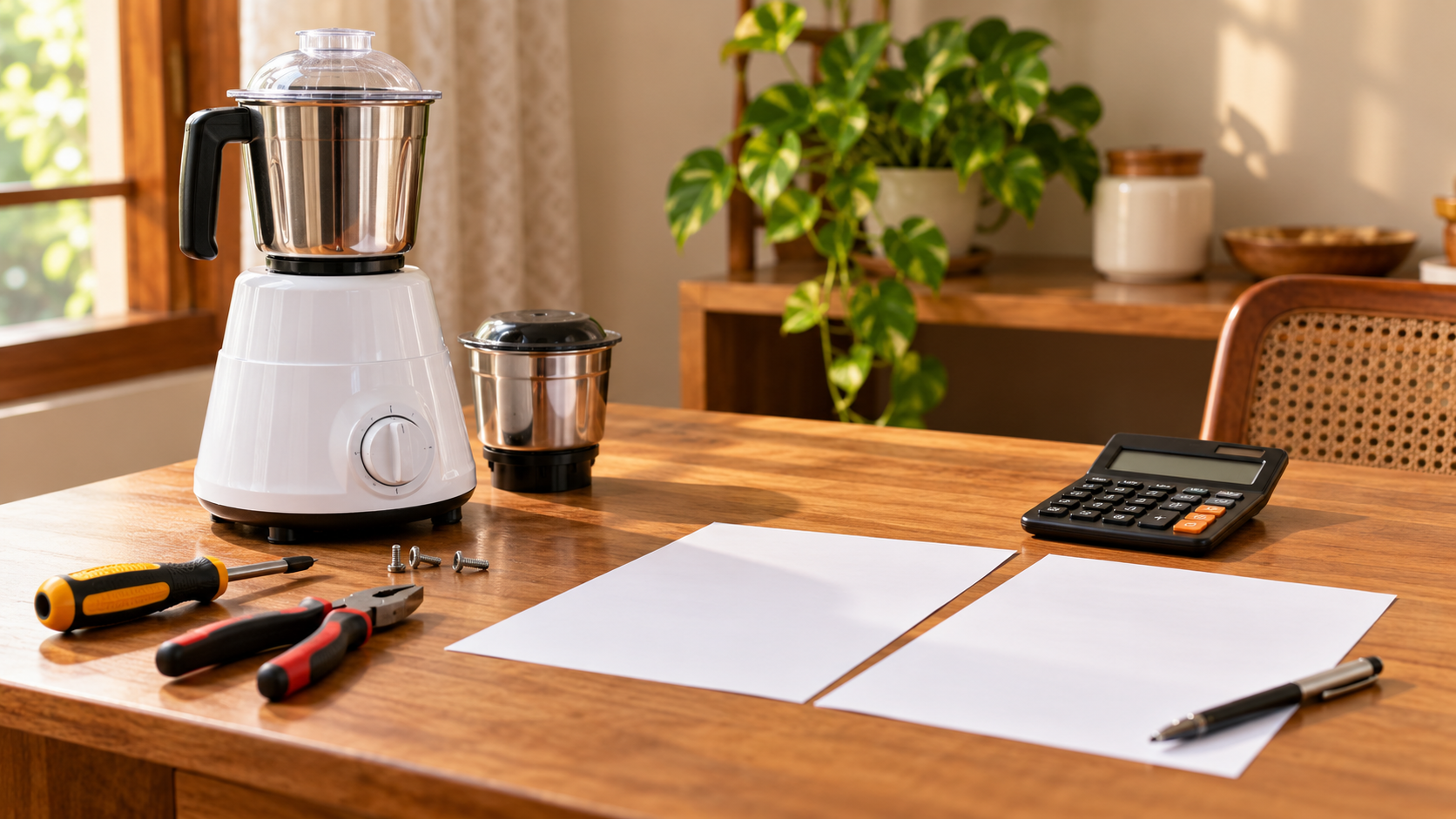
Households need dependable appliance, computer and home-maintenance support. If you have technical skills, begin with the work you are qualified to perform. If you coordinate technicians, vet their ability and explain who is responsible for the job. Agree inspection charges, parts approval and service terms upfront. Unsafe electrical or specialized work should go to competent professionals.
5. Home and office cleaning services
A focused cleaning service can target apartments, small offices or move-in cleaning. Standardize the tasks included in each package and inspect the site before quoting complex jobs. Account for travel, equipment, consumables and staff time. Train workers on safe handling and suitable surfaces. Photographs of completed work should respect customer privacy and require permission.
6. Tailoring, alterations and uniform orders
Alterations can create recurring demand without requiring a full fashion label. Begin with a few well-defined services, realistic delivery dates and written measurements. Schools or businesses may offer larger orders, but samples and advance terms are essential. Do not buy large quantities of fabric until specifications are confirmed. Track rework because it can quietly reduce margins.
7. Product photography and short video editing
Restaurants, retailers and online sellers need clear visual content. Start with equipment you already own and improve lighting and composition before buying more gear. Offer an agreed number of edited assets, delivery formats and revision rounds. Get permission for locations and people. Use properly licensed music and visuals, and avoid making misleading product claims.
8. Made-to-order gifts and local crafts
Personalized gifts, handmade stationery and regionally inspired crafts can be tested through advance orders. Keep a small sample range, photograph it accurately and specify production times. Include packaging, breakage and shipping in pricing. Seasonal demand can be uneven, so avoid excessive stock. Confirm spelling and designs with buyers before producing customized items.
9. Laundry collection and delivery partnerships
You can test demand by partnering with an established laundry rather than immediately purchasing machines. Agree quality standards, lost-item responsibility and turnaround times in writing. Give customers itemized receipts and track every garment. Build a compact collection route to control transport costs. Check whether your partner can maintain quality when order volumes increase.
10. Small-business administrative support
Some owners need help organizing invoices, catalogues, appointments or customer follow-ups. Offer administrative services within your competence and define the scope. Do not present basic recordkeeping as professional tax or legal advice. Use access controls and avoid collecting unnecessary customer data. A repeat weekly service may suit you better than scattered urgent requests.
Calculate margins before chasing revenue
Use this simple calculation: selling price minus direct delivery cost equals contribution per order. That contribution must cover rent, subscriptions, administration and your own pay. For illustration, a service sold for ₹1,000 with ₹600 in direct costs contributes ₹400 before fixed expenses and tax. This is a planning example, not an expected market price or earnings forecast.
Also track cash timing. A customer paying after thirty days can create a shortage even when the order looks profitable. Separate household spending from business money and keep a reserve for refunds, repairs and slow weeks. Compare supplier quotes before committing. When sales increase, check whether quality and response times are still sustainable.
A 30-day validation plan
During week one, interview ten potential customers and study competing offers. In week two, create one sample or service package and calculate its full cost. In week three, seek a few paid pilot orders with clear terms. In week four, review complaints, contribution and repeat interest. Choose whether to continue, adjust the offer or stop before expanding spending.
Build discoverability after the offer is clear. Read our local business website checklist and lead follow-up guide to connect enquiries with actual sales. For approval requirements, the government's National Single Window System can help identify relevant approvals; confirm local obligations separately.
Frequently asked questions
Which small business is best in India in 2026?
The best option depends on your skills, customer access and local demand. Test a narrow offer with paying customers before choosing. A popular idea elsewhere is not proof that it will work in your area.
Can I start without renting a shop?
Many services can be tested from home or at customer locations, subject to applicable permissions. Consider housing rules, safety, storage and customer access before operating. A home-based business still has business expenses.
Should I borrow money for the first test?
Keep the initial experiment affordable and avoid borrowing merely to validate uncertain demand. If finance becomes necessary, compare total costs and repayment capacity using realistic sales assumptions rather than hoped-for revenue.
When should I expand?
Expand when delivery is consistent, customers return and contributions cover the extra costs. Add capacity gradually. Keep records so that growth decisions reflect cash flow and customer experience rather than excitement alone.
Tags: Small Business Ideas, India 2026, Entrepreneurship, Business Planning, Low Investment, Market Research, MSME.
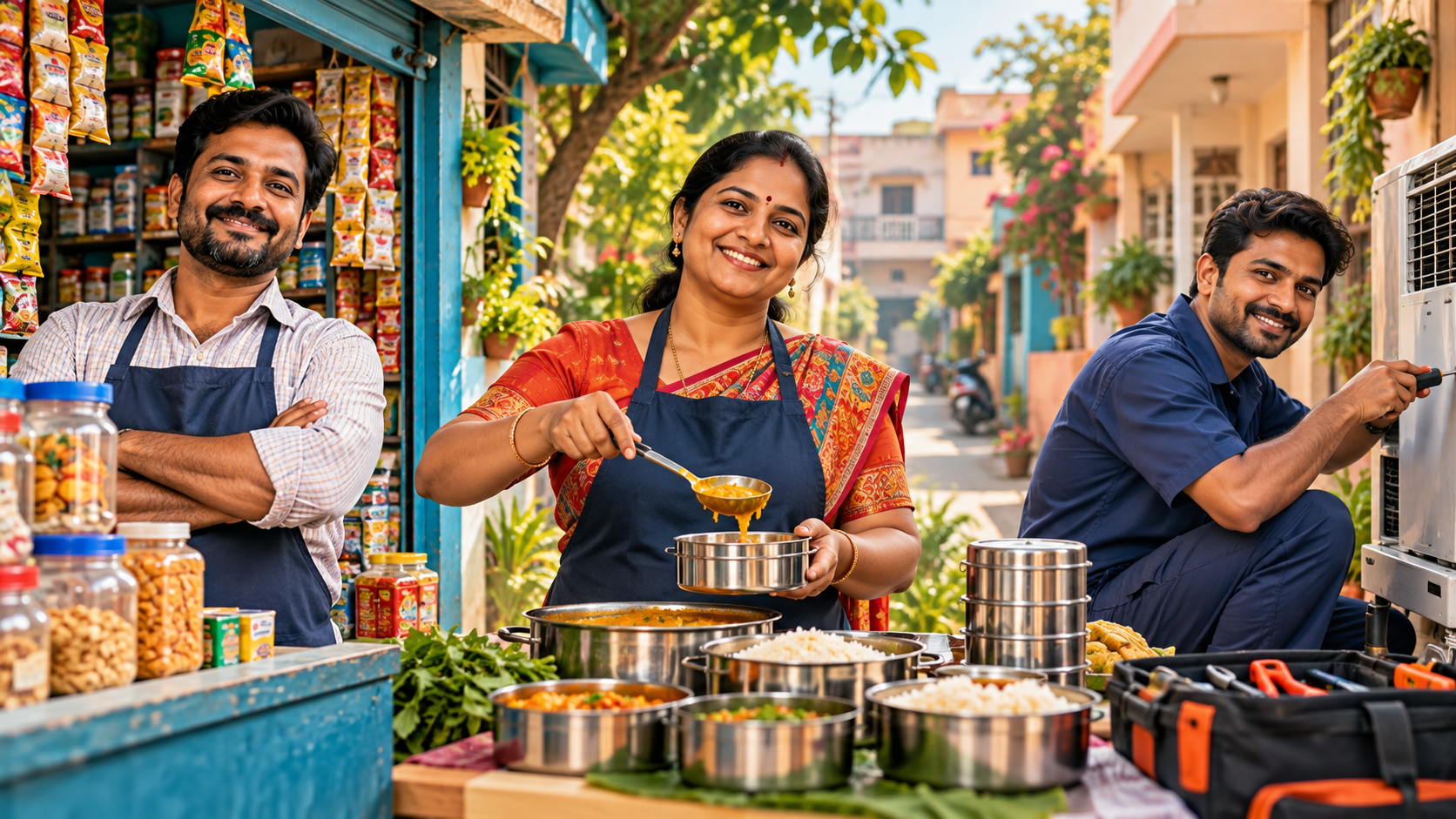
Featured image: representative AI-generated illustration.
share Share now

 All Services
 Classifieds Ads
 Service Experts
 Jobs
 Explore Travel
 News & Magazines
 Products
 Blogs
 Community












 Support